
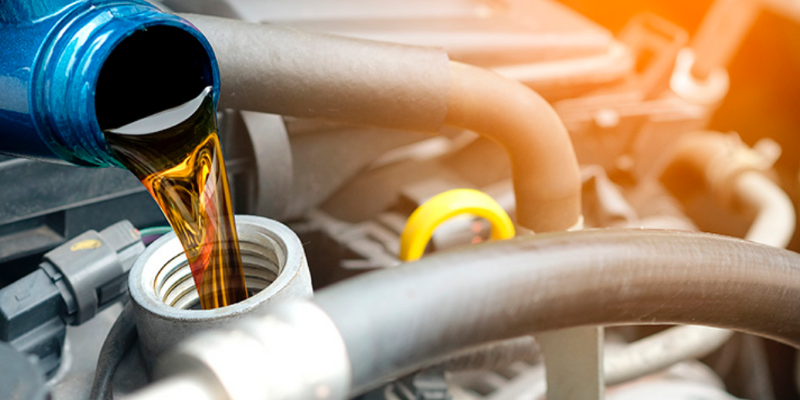
If you have ever been skeptical about a DIY maintenance project on your vehicle, oil change is one job you are guaranteed to get right without spending a cent on mechanics.
As simple as it is or may seem, it is still very important to have a clear memory, so you fully understand the process and things you need to know when doing it. Hopefully this article sheds light and helps you change motor oil without any hassles.
Here is what you need to know before attempting DIY oil change:
-
Check oil type before doing oil change
Every car is different from the next. Not only do they differ in specs, but they are also different by the oil they use as the quantity and blend differs. Putting in the wrong kind of oil may result in complications that may ultimately lead to a shorter engine lifespan.

-
Utilize protective gear
Have a protective gear to prevent contamination of the oil. Wear gloves and have clean towels to remove any access oil and prevent spillage.
-
Let Your Car Cool Down.
If you were recently driving, then it is important to let the car sit for half an hour before you can work on it. This is to prevent the oil coming into contact with your skin and damaging it. However, you can run your car for 2 minutes or less to get the oil warm for easy flow but be careful that it is not hot.
-
Use The Correct Drain Pan.
To make sure there isn’t any spillage, it is important to use the correct drain pan. Drain pans like the funnel-top drain pan cover the oil fully, limiting chances of spills.
Related Topic: Tips for CV Joints and Prop Shafts Maintenance and Lubrication
-
Secure Your Filter Correctly.
When putting back the new filter, make sure it is not wet. Doing this prevents loose-fitting and leaky filters. When wet, the seal is loose and therefore overtime the filter may unthread itself, causing a mess.
-
Dispose Of Old Oil
Always dispose of oil responsibly. This is not only good for the ecosystem but will help minimize unexpected accidents. Another option is taking it to any auto repairs or mechanics so you are sure it is safe and may be recycled.
-
Make Use of a Dipstick to determine if your vehicle needs oil change
Having a dipstick is one way to keep track of any oil changes and leaks, if there is any. It tells you the exact levels of the engine’s oil. Learn how to use it and what the markings on the dipstick mean. Another important hack is making sure you check your dipstick regularly especially after every oil change. Once your dipstick shows that your oil is at the appropriate level, check your dipstick again after a few miles of use. By doing this, you will identify any potential oil leaks your car may have.

There is a lot of mistakes that can happen if you insist on doing DIY work on your car, even with something as simple and standard as oil changing. So, if you are unsure, contact the best professionals in town. CV and Propshaft has all the remedy needed for car diagnosis to ensure a smooth ride.


